Christian Classics

Christian Classics
From early apologetics and church fathers to Augustine, Boethius, scholastic theology, and medieval mysticism.
Log in to start this path and track your progress.
- 1
 Step 1 · Still to read
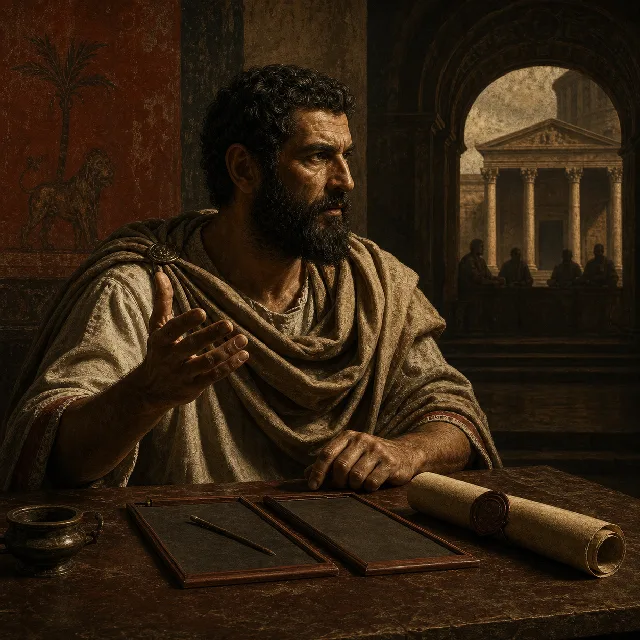
First Apology
Begin with Justin: Christian faith still appears as a public defense before Rome and Greek philosophy.
- 2
 Step 2 · Still to read
Apologeticum
Tertullian makes the same defense sharper, more legal, and more Latin in tone.
- 3
 Step 3 · Still to read
On the Incarnation of the Word
Athanasius moves from defense to doctrine: what does it mean for God to become human?
- 4
 Step 4 · Still to read
Five Theological Orations
Gregory gives the language of God, Son, and Spirit literary and philosophical precision.
- 5
 Step 5 · Still to read
Selected Homilies
Chrysostom brings theology into the city, the pulpit, and everyday moral life.
- 6
 Step 6 · Still to read
Confessions
Augustine turns inward: memory, desire, and guilt become a way toward God.
- 7
 Step 7 · Still to read
City of God: A Coltiva Selection
After the inward search, Augustine turns to Rome, catastrophe, and the two cities.
- 8
 Step 8 · Still to read
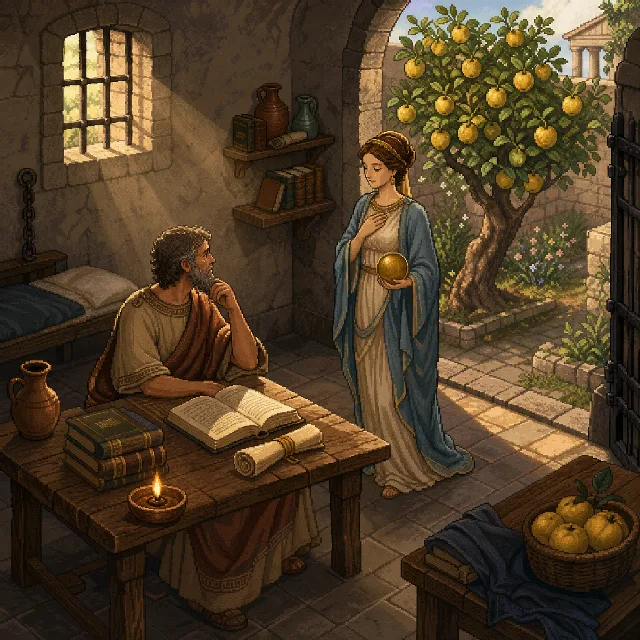
The Consolation of Philosophy
Boethius writes on the threshold of the Middle Ages: philosophy must hold when Fortune removes everything.
- 9
 Step 9 · Still to read
Proslogion and Cur Deus Homo
Anselm turns prayer and reasoning into a compact scholastic search for God and incarnation.
- 10
 Step 10 · Still to read
Itinerarium Mentis in Deum
Bonaventure answers more mystically: the mind journeys through the world, itself, and silence toward God.
- 11
 Step 11 · Still to read
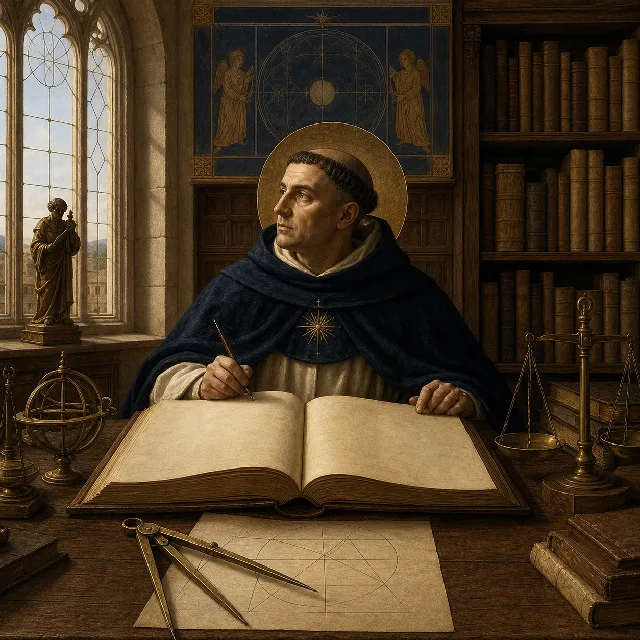
Summa Theologiae: A Coltiva Selection
Aquinas orders the questions systematically: existence, simplicity, law, justice, and action.
- 12
 Step 12 · Still to read
Revelations of Divine Love
Julian of Norwich lets scholastic order give way to vision, consolation, and trust.
- 13
 Step 13 · Still to read
The Imitation of Christ
The Imitation closes practically: truth must become simplicity, humility, and daily practice.