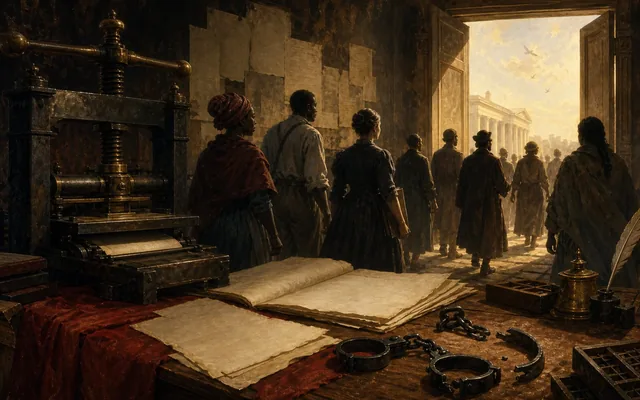
Voices of Freedom
Voices of Freedom
Conscience, rights, and resistance: from toleration to voices claiming freedom against exclusion.
Log in to start this path and track your progress.
- 1
 Step 1 · Still to read
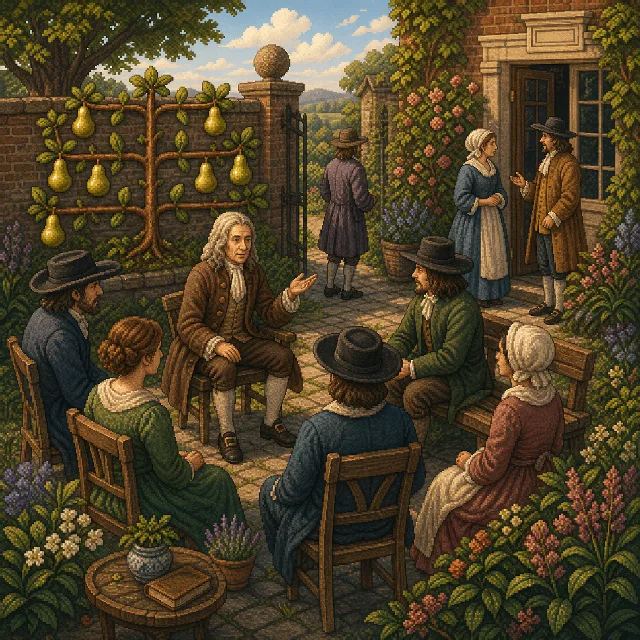
A Letter Concerning Toleration
Locke lays the ground: the state has no authority over conscience.
- 2
 Step 2 · Still to read
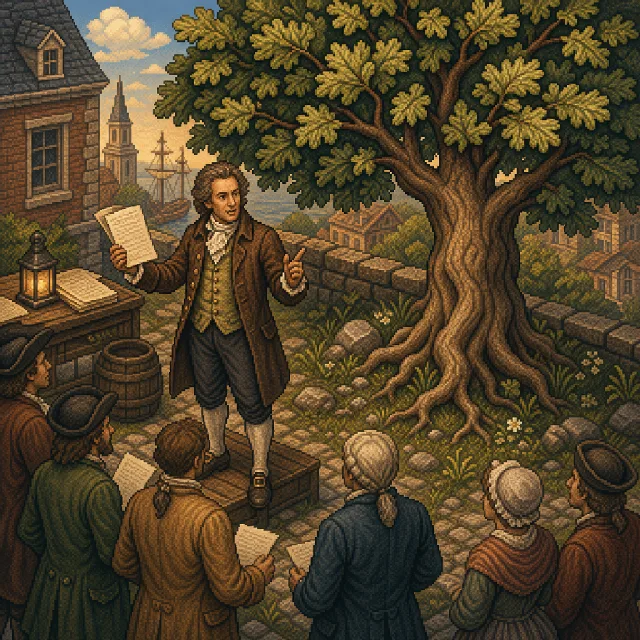
Common Sense
Paine turns principle into action: plain language that helped spark a revolution.
- 3
 Step 3 · Still to read
Declaration of the Rights of Woman and of the Female Citizen
De Gouges throws the revolution back: if rights are universal, then they are for women too.
- 4
 Step 4 · Still to read
A Vindication of the Rights of Woman
Wollstonecraft builds the full argument: equality begins with equal education and reason.
- 5
 Step 5 · Still to read
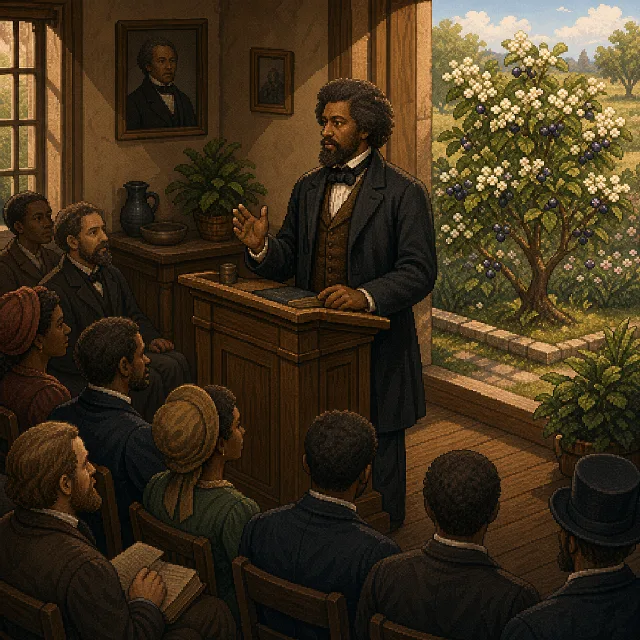
Narrative of the Life of Frederick Douglass
Douglass makes it personal and inescapable: freedom fought for from within slavery itself.
- 6
 Step 6 · Still to read
The Interesting Narrative of the Life of Olaudah Equiano
Equiano joins personal memory to global trade, violence, and conversion.
- 7
 Step 7 · Still to read
The Souls of Black Folk
Du Bois gives freedom a new question: what does citizenship mean when you are seen doubly?
- 8
 Step 8 · Still to read
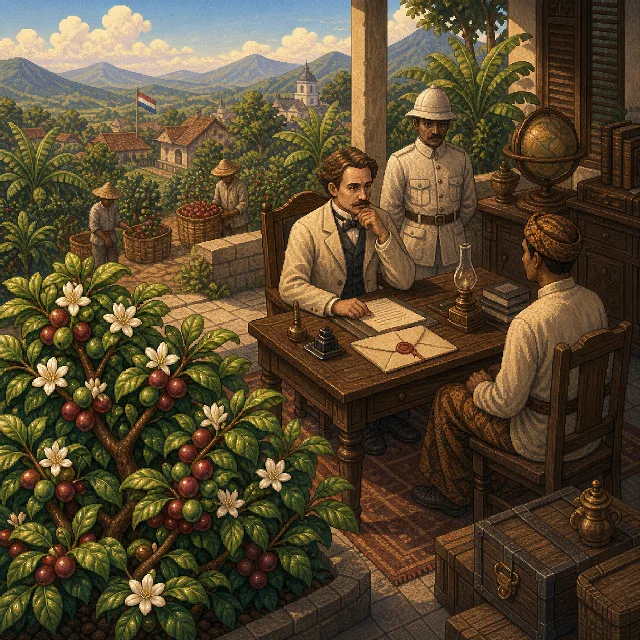
Max Havelaar
Multatuli carries the voice to colonial injustice: indictment disguised as a novel.