Wisdom from East to West

Wisdom from East to West
How different traditions answer the same question: how to live well, clearly, and attentively.
Log in to start this path and track your progress.
- 1
 Step 1 · Still to read
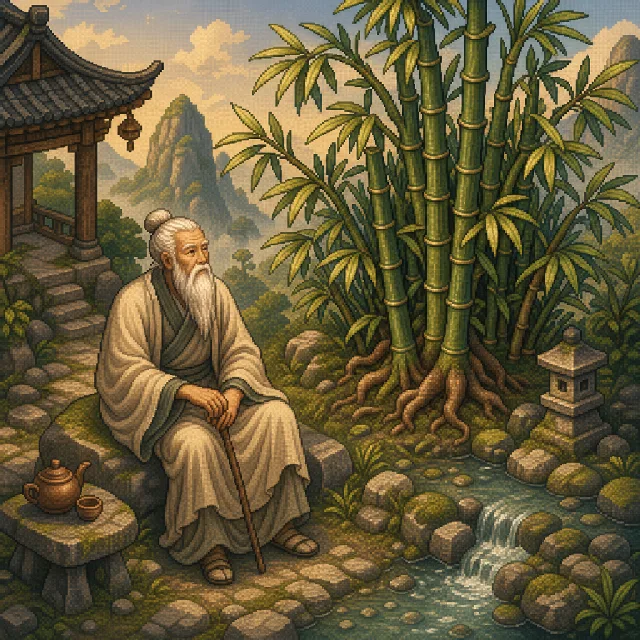
Tao Te Ching
Lao Tzu opens with the Way: strength through softness, doing through non-forcing.
- 2
 Step 2 · Still to read
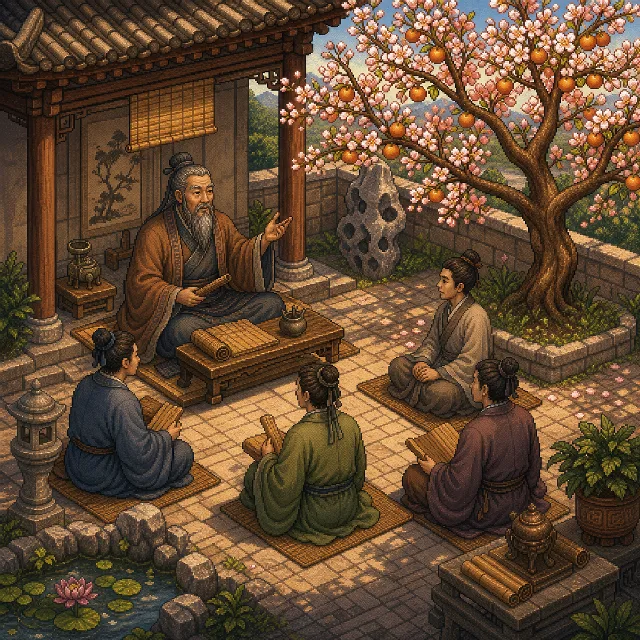
The Analects
Confucius turns the gaze outward: character, duty, and the order between people.
- 3
 Step 3 · Still to read
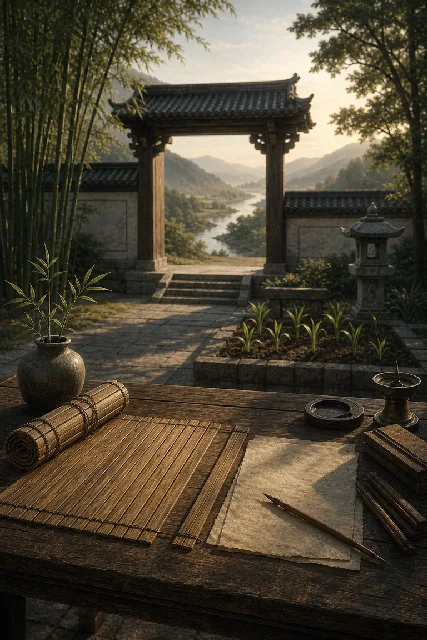
Mencius
Mencius deepens Confucius: humaneness begins in sprouts that need cultivation.
- 4
 Step 4 · Still to read
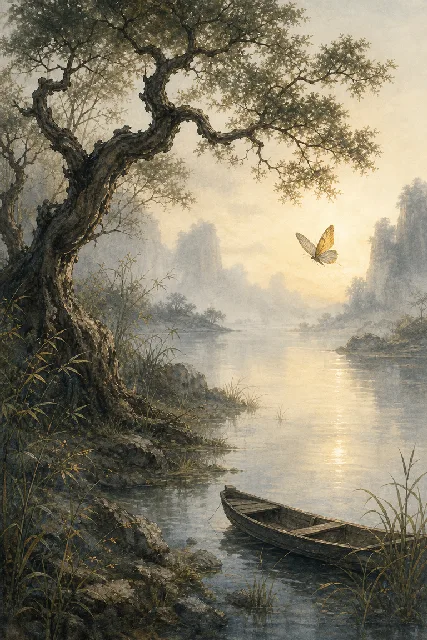
Zhuangzi
Zhuangzi counters with fluidity: wisdom begins when fixed borders loosen.
- 5
 Step 5 · Still to read
The Dhammapada
The Dhammapada turns inward: everything begins with the mind and with craving.
- 6
 Step 6 · Still to read
Rubaiyat of Omar Khayyam
Omar Khayyam answers with wine and impermanence: live now, for we know nothing for certain.
- 7
 Step 7 · Still to read
Hayy ibn Yaqzan
Ibn Tufail closes the circle: a man alone on an island reaches the highest truth by his own reason — a bridge between East and West.
- 8
 Step 8 · Still to read
Deliverance from Error
Al-Ghazali turns doubt into a path toward recovered trust.
- 9
 Step 9 · Still to read
The Masnavi (Selection)
Rumi speaks in stories and images: wisdom is also longing and disciplined attention.