Tragedy and Imagination
Tragedy and Imagination
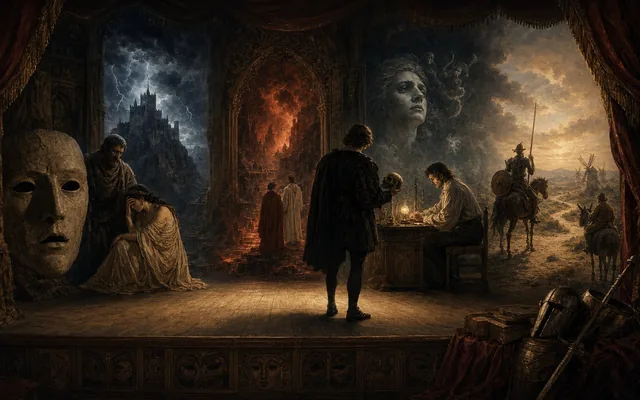
What literature can say that argument cannot: fate, ambition, creation, obsession, and social illusion.
Log in to start this path and track your progress.
- 1
 Step 1 · Still to read
Oedipus Rex
Begin with primal fate: Oedipus hunts for the truth and walks straight into his ruin.
- 2
 Step 2 · Still to read
Macbeth
Shakespeare moves fate inward: not the gods, but one's own ambition drives the fall.
- 3
 Step 3 · Still to read
Hamlet
Hamlet makes tragedy reflective: knowing, doubting, and acting come apart.
- 4
 Step 4 · Still to read
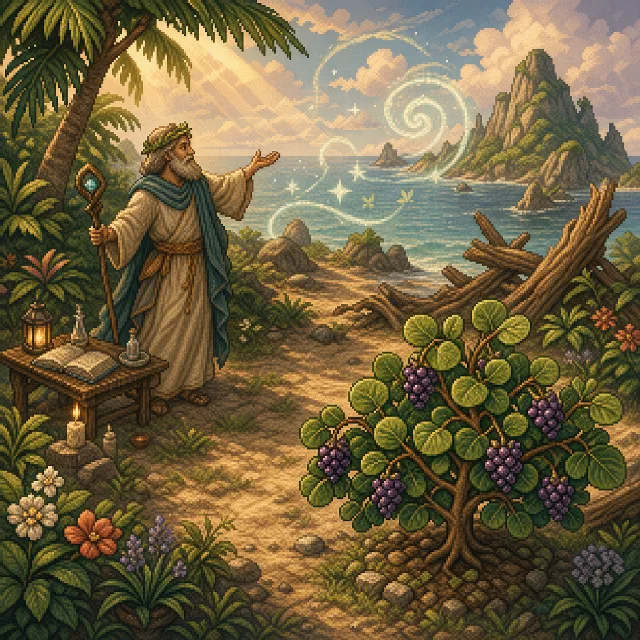
The Tempest
In his last play Shakespeare chooses forgiveness over revenge — and sets down the artist's power.
- 5
 Step 5 · Still to read
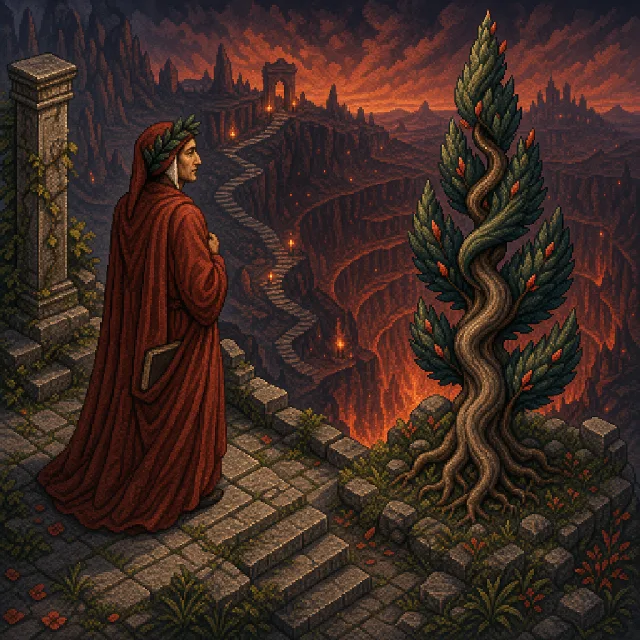
Divine Comedy - Inferno
Dante descends through hell: a journey through guilt, punishment, and human folly.
- 6
 Step 6 · Still to read
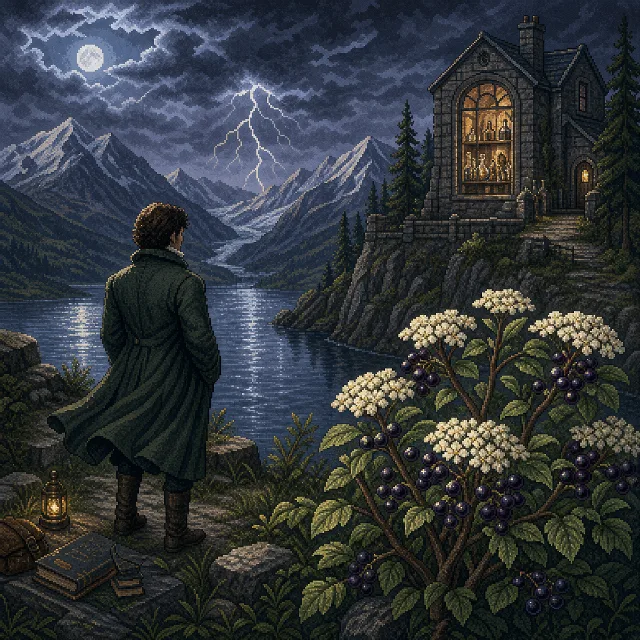
Frankenstein; or, The Modern Prometheus
Shelley turns the question to the creator: what do we owe to what we make?
- 7
 Step 7 · Still to read
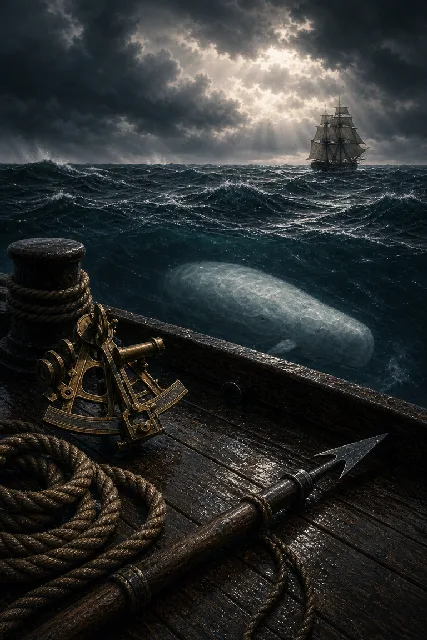
Moby Dick
Melville makes imagination oceanic: knowledge, obsession, and revenge pull everything along.
- 8
 Step 8 · Still to read
Great Expectations
Dickens shifts tragedy into shame, ambition, and misunderstanding.
- 9
 Step 9 · Still to read
The Age of Innocence
Wharton shows how polite society can damage people without raising its voice.
- 10
 Step 10 · Still to read
Don Quijote de la Mancha
Cervantes closes with imagination itself: a man who reads the world as a chivalric romance.