Letters to Lucilius (selection)
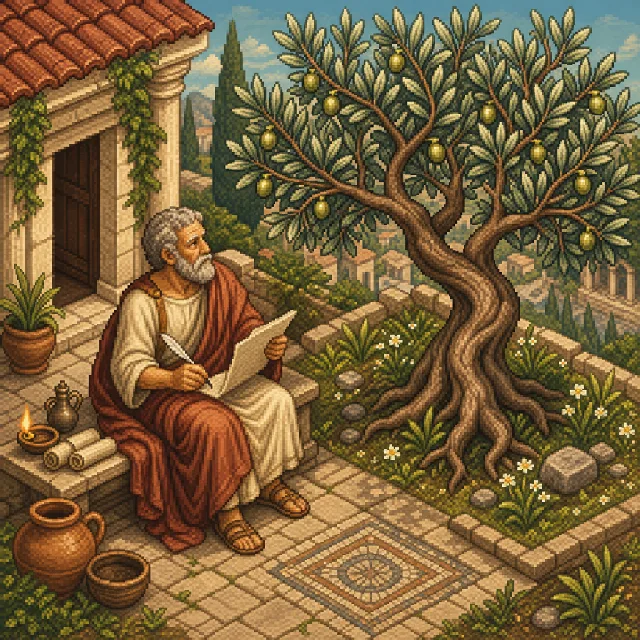
Letters to Lucilius (selection)
Seneca's Stoic letters on time, friendship, death, and inner freedom.
About this book
Seneca's Letters to Lucilius turn philosophy into personal counsel. Written as moral exercises, they address time, fear, wealth, grief, friendship, reading, anger, and death. The letters are intimate without being merely private: Seneca wants the reader to test every habit by whether it makes the soul freer, steadier, and less dependent on fortune.
How do you want to read?
- public domain source, part 14075 words
Seneca opens with a sharp reminder that time is our only true possession. He urges Lucilius to guard each hour, for life slips away while we postpone. The letters that follow offer practical wisdom on friendship, reading, and facing death with courage.
- public domain source, part 22071 words
In this chapter, Seneca warns against the corrupting influence of crowds and public spectacles, urging withdrawal for moral strength. He defends his seclusion as a means to serve humanity through writing, preparing the reader for a defense of philosophical retreat.
- public domain source, part 32116 words
In this letter, Seneca explores the wise person's need for friendship, even when self-sufficient. He distinguishes between friendships of utility and those born from virtue, setting the stage for a deeper inquiry into what truly binds people together.
- public domain source, part 14075 words
- public domain source, part 1501 words
Seneca writes to Lucilius about the preciousness of time, the value of focused study, and the nature of true friendship. He urges us to live each day as if it were our last, embracing simplicity and self-awareness.
- public domain source, part 2282 words
Seneca warns that crowds corrupt character, then shows how withdrawal can serve others. This chapter weighs the risks of public life against the benefits of seclusion.
- public domain source, part 3249 words
In this chapter, Seneca explores the wise person's need for friendship, arguing it arises not from lack but from the desire to practice virtue. He contrasts Stoic and Epicurean views on self-sufficiency.
- public domain source, part 1501 words
- The Art of Living: Time, Solitude, and Friendship468 words
Seneca opens by reminding us that time is our only true possession. He urges us to guard each hour, for life slips away while we postpone. This chapter distills his sharpest advice on friendship, reading, and facing death with courage.
- The Art of Living: Time, Solitude, and Friendship468 words
Related works
Methodological kin
- Meditations
Seneca schrijft aan een ander om zichzelf en zijn leerling te oefenen; Marcus schrijft rechtstreeks aan zichzelf. Dezelfde stoicijnse grond, twee vormen van aanspreken.
Maybe next
- On the Shortness of Life
De Brieven werken de praktijk uit waarvan De brevitate vitae de scherpe opening is: leer je tijd niet als bezit maar als opdracht zien.